

"The Case Against a Sybarite Hemiobol" by Keith Mawhinney (NSI-NB)
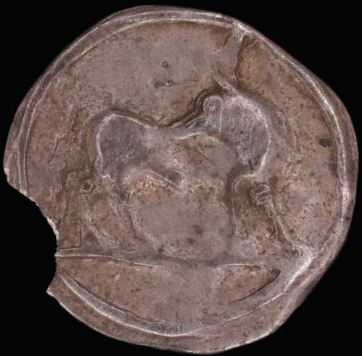
This numismatic note explores the evidence for the existence of a hemiobol denomination in the sixth century BCE coinage of at Sybaris. The polis was founded in the late eighth century BCE in Lucania in Southern Italy by settlers from Achaia. Over the subsequent centuries it became one of the pre-eminent poleis in the region, described by Pseudo-Scymnus as a great city celebrated far and wide, weighty, wealthy, beautiful. It unexpectedly fell to the neighbouring polis of Kroton in the last decade of the century and was reportedly destroyed. From the middle of the sixth century BC, it minted coinage on the Achaian standard of a 7.90g tridrachm stater. N. K. Rutter also lists drachms, tetrobols, triobols and obols as the fractional coinage produced; however, a further denomination of a hemiobol has also been listed in auction catalogues. Read the full article here.


Comments